Key points to review before planning a trip to Hatta Mountain Dubai
Understanding the terrain and climate
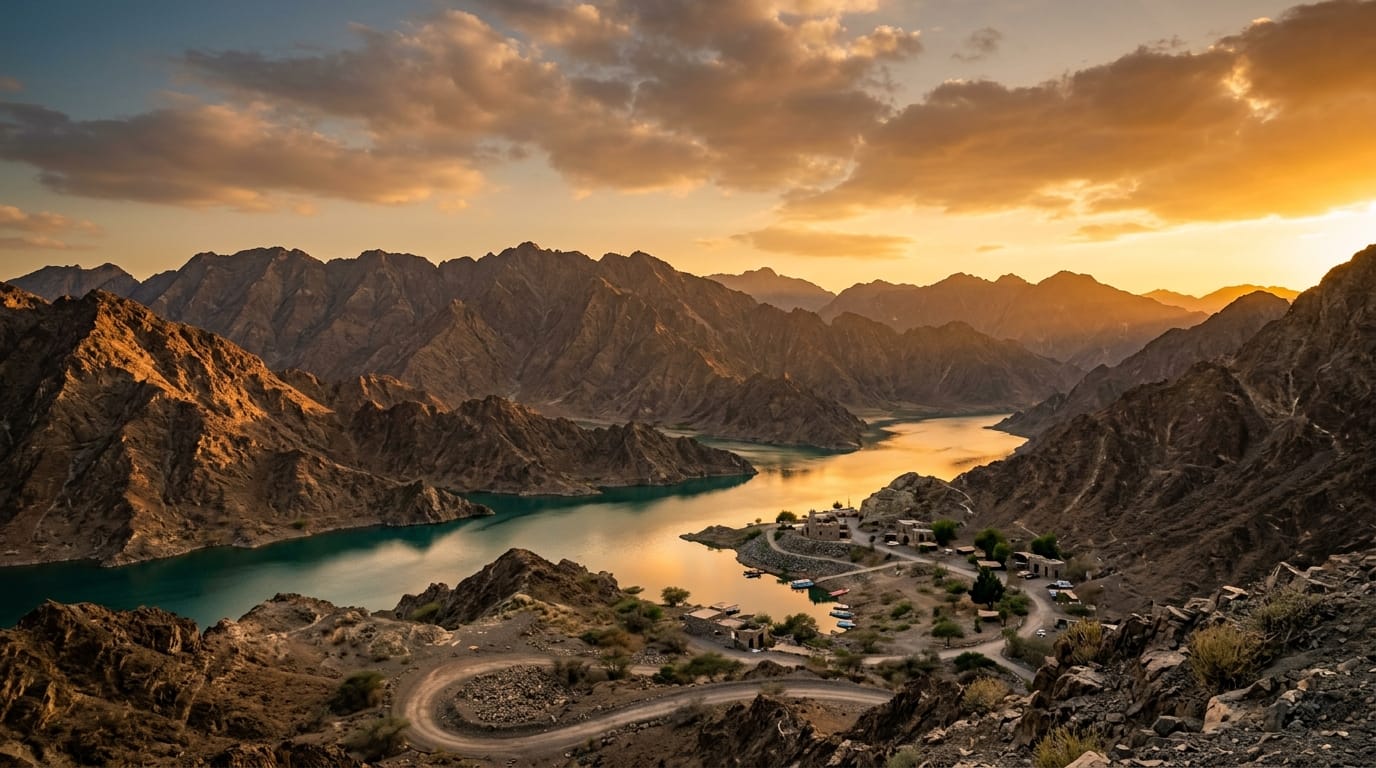
Hatta Mountain Dubai offers a landscape that differs noticeably from the city's coastline. The Hajar mountains create a rocky, arid environment with steep wadis and gravel plains. Before you set off, check the weather forecast for the specific days you intend to visit. Summer temperatures can exceed 40°C, making outdoor activity uncomfortable and even risky during midday. Winter months bring cooler conditions, with daytime highs around 25°C and nights that can drop to single digits. Rainfall is rare, but when it does occur, it can cause flash floods in low-lying wadi areas. Knowing the forecast helps you pack appropriate clothing, plan your activity timing, and stay safe.
The terrain itself demands a degree of physical preparedness. Some trails involve scrambling over loose rocks, while others follow relatively flat wadi beds. If you have mobility concerns or plan to bring young children, research which areas are accessible by vehicle and which require walking. A quick look at recent visitor reports or satellite imagery can give you a realistic sense of the ground conditions. The Hatta Mountain Tour Dubai official site provides an overview of the region's geography, which can help you decide which spots match your fitness level.
Vehicle suitability and road conditions
Getting to Hatta from Dubai takes roughly 90 minutes by car via the E44 highway. The road climbs through the mountains and includes sharp bends and elevation changes. While the main roads are well maintained, some of the more scenic routes involve unpaved sections. If you plan to explore beyond the main tourist areas, a four-wheel-drive vehicle is advisable. Standard two-wheel-drive cars can manage the paved roads but may struggle on loose gravel or steep inclines. Check your vehicle's tyre pressure, coolant levels, and fuel before leaving the city. Petrol stations are sparse once you leave the main highway, so fill up in advance.
For those renting a car, confirm with the rental company that off-road driving is permitted under your agreement. Some policies exclude damage caused on unpaved surfaces. If you prefer not to drive yourself, consider joining a guided tour that handles transport and navigation. This removes the stress of unfamiliar roads and lets you focus on the scenery. When researching options, the Hatta Mountain Tour Dubai official site lists available tours and their itineraries, giving you a clear picture of what to expect.
Permits and entry requirements
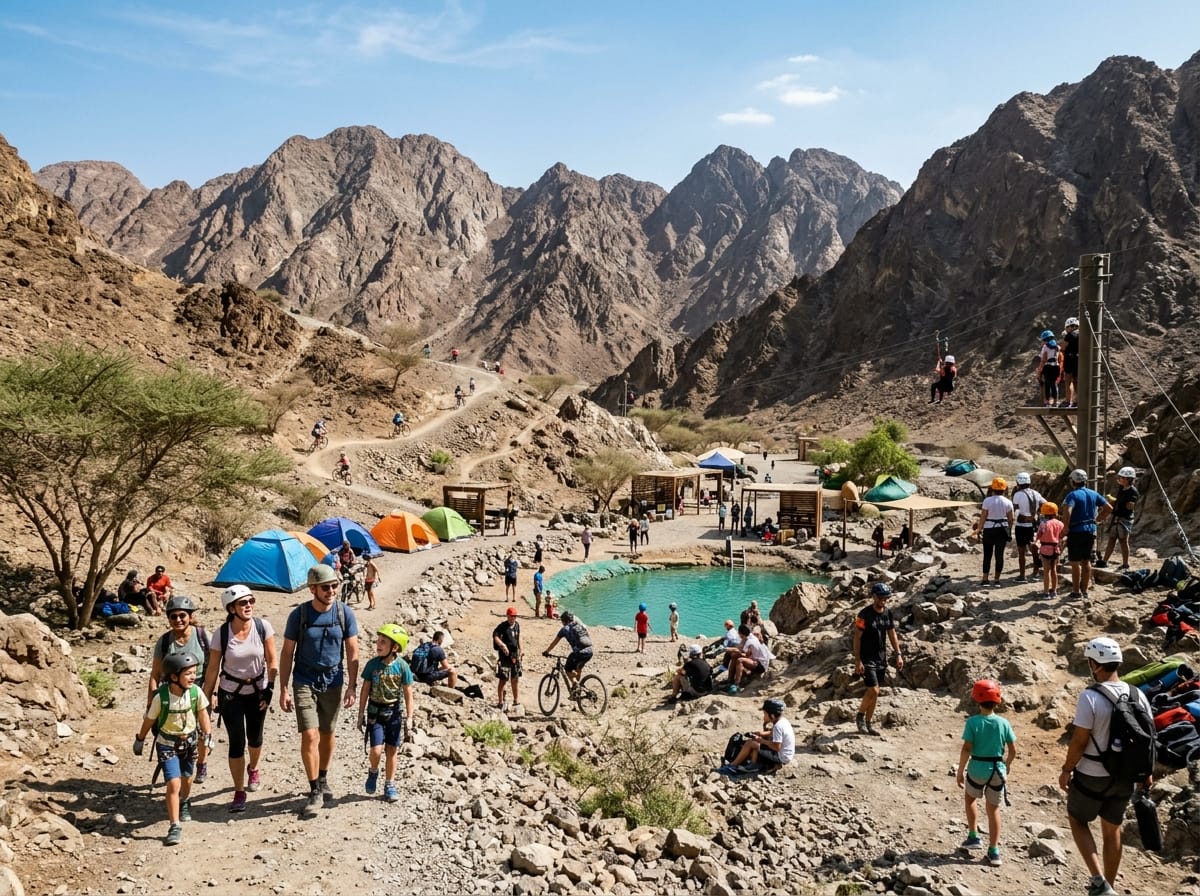
Certain areas within the Hatta region require permits for entry or specific activities. The Hatta Dam, for example, is open to the public, but kayaking and paddleboarding there are managed by concession holders who handle bookings. Similarly, the Hatta Wadi Hub offers activities such as ziplining, mountain biking, and archery, all of which require advance reservation. Check whether any permits are needed for hiking in protected zones or for overnight camping. Regulations can change, so verifying a few days before your trip saves you disappointment at the gate.
If you plan to stay overnight, accommodation options include Hatta's own guesthouses, camping sites, and a few hotels. Each has its own booking policy and check-in procedures. Confirm your reservation details, cancellation terms, and any additional fees for amenities such as barbecue pits or parking. For those camping independently, note that some areas restrict open fires to designated spots. Bringing a portable stove is often a simpler and safer alternative.
What to pack for the mountains
The contrast between daytime heat and evening chill means layering is essential. A lightweight long-sleeved shirt protects against sun and dust, while a fleece or jacket handles the cooler hours. Sturdy footwear with good grip is important for walking on uneven ground; trainers with shallow tread can slip on loose stones. Sun protection is non-negotiable: a wide-brimmed hat, sunglasses, and high-SPF sunscreen will prevent burns even on overcast days.
Water is the single most critical item. Carry at least three litres per person for a full day out, more if you plan strenuous activity. There are no reliable water refill points once you leave the main settlements. Snacks that provide sustained energy, such as nuts, dried fruit, and granola bars, are practical. A basic first-aid kit, a torch, and a power bank for your phone are sensible additions. Mobile reception can be patchy in the deeper wadis, so download offline maps and share your itinerary with someone back home.
Activities and time management
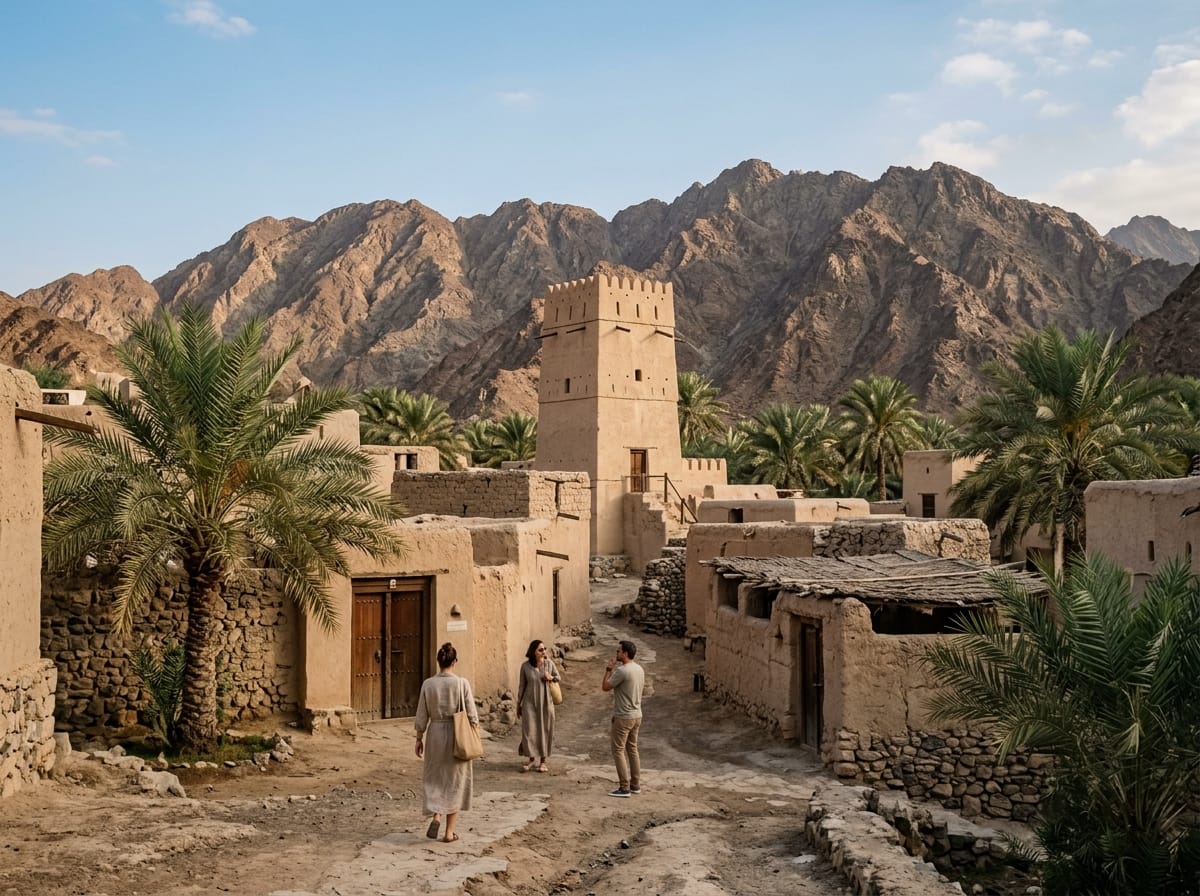
Hatta offers a range of activities, from leisurely dam walks to adrenaline-focused sports. Decide which experiences matter most to you and allocate time accordingly. A visit to the heritage village, the dam, and a short hike can fill a comfortable half-day. If you want to add mountain biking, kayaking, or a guided trek, you will need a full day or more. Each activity has its own duration and physical demands. Reading descriptions carefully prevents over-scheduling and allows for rest breaks.
Check the opening hours of each attraction, as they can vary by season and day of the week. Some venues close earlier during Ramadan or on public holidays. Arriving late can mean missing the last entry slot. Planning your route between stops also matters: driving from one side of Hatta to the other can take 20 minutes, so grouping nearby activities saves time.
Safety considerations and emergency contacts
Mountain environments carry inherent risks, and being prepared is the best mitigation. Let someone know your planned route and expected return time. If you are hiking alone, carry a personal locator beacon or at least a fully charged phone with emergency numbers saved. The UAE emergency number is 999 for police, ambulance, and fire. For non-urgent assistance, the local tourist police can be reached through the main helpline.
Heat exhaustion and dehydration are the most common issues visitors face. Recognise the symptoms: dizziness, headache, nausea, and reduced sweating. If you or someone in your group shows these signs, stop activity, move to shade, and drink water slowly. Avoid alcohol on the day of physical exertion, as it accelerates dehydration. Similarly, be cautious around wadi edges and rocky outcrops. A slip can result in a twisted ankle or worse, and rescue services may take time to reach remote spots.
Wildlife encounters are rare but possible. Snakes and scorpions are present, though they generally avoid humans. Do not reach into crevices or under rocks, and watch where you step. If you are bitten or stung, keep calm, immobilise the affected limb, and seek medical help immediately. Carrying a picture of the creature can help medics identify the correct treatment.
Finally, review your travel insurance policy. Standard policies may not cover off-road driving or certain adventure activities. If you plan to mountain bike or kayak, check that your coverage includes those sports. Some credit cards offer travel insurance as a perk, but the terms vary widely. A quick call to your provider can clarify what is and is not covered, saving you potential expense in an emergency.
By covering these points before you go, you set yourself up for a trip that is both enjoyable and safe. The mountains of Hatta reward those who arrive prepared, and a little forethought goes a long way toward making the experience memorable for the right reasons.